The Great Storage Swap: How Americans Are Leaving Physical Drives Behind
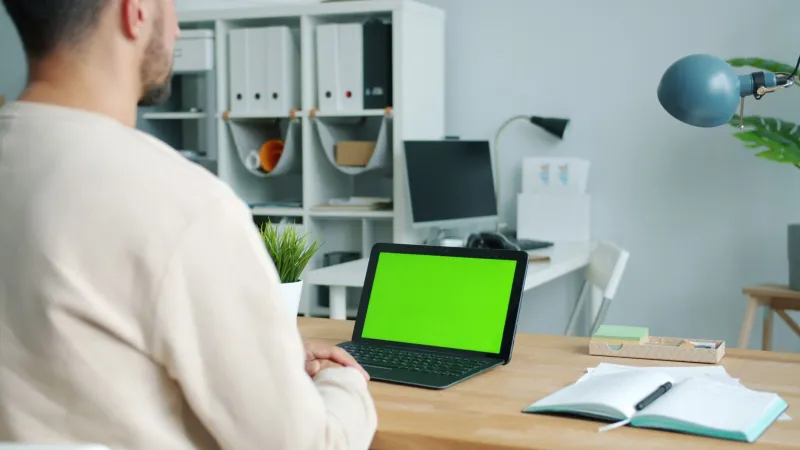
Remember the days when you'd have a little black box of a hard drive sitting on your desk, plugged into your laptop, holding your entire digital life hostage? For a lot of Americans, that was just... normal. But somewhere between the rise of remote work, the explosion of smartphone usage, and the growing frustration of "wait, which drive did I save that on?" — people started looking for something better.
Cloud storage has been around for a while, sure. But 2025 feels like the year it genuinely clicked for the average person. We're not just talking about tech-savvy professionals here. We're talking about teachers, freelancers, small business owners, and families who are done lugging around a physical device just to access their own files.
The Problem With Physical Storage Nobody Talks About
External hard drives seem like a solid deal at first glance. You pay once, you get storage, done. Except it's never really that simple, is it?
Drives fail. They get lost in moves. They get dropped. They're not exactly compatible with your phone. And if you're working across multiple devices — which, let's be honest, most of us are in 2025 — you're constantly asking yourself whether the latest version of that document is on your laptop, your desktop, or that little drive you definitely left at the office.
According to data from the Consumer Technology Association, American households own an average of five connected devices. Five. Managing files across all of those with a physical drive isn't just inconvenient — it's a genuine productivity drain.
And then there's the disaster scenario. A hard drive failure doesn't come with a warning. One bad drop, one power surge, and years of photos, documents, and projects can vanish overnight. No backup, no recovery, no second chance.
What's Actually Driving the Shift in 2025
A few things have converged to make this the tipping point year.
Remote and hybrid work became permanent. The post-pandemic work landscape in the US didn't fully bounce back to the office. Millions of Americans now split time between home, coworking spaces, coffee shops, and client sites. When your workplace is everywhere, your files need to be everywhere too. Cloud platforms let you upload from one device and instantly access your work from another — no cable, no drive, no drama.
Smartphones are doing more heavy lifting. The average American spends over four hours a day on their phone, and a growing chunk of that is work-related. People are shooting videos, editing documents, signing contracts, and sharing large files — all from a device that doesn't have a USB port for a traditional hard drive. Cloud storage bridges that gap naturally.
Prices have dropped significantly. A few years ago, cloud storage plans felt like a premium product. In 2025, the math looks very different. Many platforms offer generous free tiers, and paid plans with hundreds of gigabytes of space often run less per month than a single streaming subscription. Compare that to replacing a failed external drive every few years, and the cloud starts looking like the smarter financial choice over time.
The Security Question (And Why It's Not the Dealbreaker It Used to Be)
One of the biggest hesitations people have about moving to cloud storage is security. And look, that's a fair concern. Handing your files over to an online platform feels different from keeping them on a device in your home.
But here's the flip side: that physical drive in your desk drawer isn't exactly Fort Knox either. It's vulnerable to theft, physical damage, and — if it's not encrypted — anyone who gets their hands on it can access everything on it.
Reputable cloud storage platforms use end-to-end encryption, meaning your files are scrambled both in transit and at rest. Many also offer two-factor authentication and detailed access logs so you can see exactly who accessed what and when. For most everyday users, a well-secured cloud account is actually more protected than a hard drive sitting on a shelf.
The key is choosing a platform you trust and taking five minutes to set up proper security settings. Enable two-factor authentication. Use a strong, unique password. And check what the platform's data policies look like before you upload anything sensitive.
Making the Switch Without the Headache
Okay, so you're convinced. But actually moving your files from a physical drive to the cloud sounds like a weekend-consuming project, right? It doesn't have to be.
Here's a simple approach that works for most people:
Start with what matters most. Don't try to migrate everything at once. Begin with your most important files — work documents, irreplaceable photos, financial records. Upload those first, verify they're accessible, and then work your way through the rest at your own pace.
Use a platform built for easy uploading. Services like KitaUpload are designed to make the upload process as painless as possible. Drag, drop, done. You don't need to reorganize your entire folder structure or learn a complicated system. Just get your files up there.
Keep the hard drive as a backup — for now. There's no rule that says you have to throw it away. During the transition period, it's perfectly reasonable to keep your physical drive as a secondary backup while you get comfortable relying on the cloud for day-to-day access.
Share and collaborate from the cloud. One of the biggest perks you'll notice right away is how easy it becomes to share files with other people. Instead of emailing large attachments or trying to physically hand off a drive, you just send a link. Anyone, anywhere, any device — instant access.
The Bottom Line
The shift away from external hard drives isn't just a tech trend. It's a practical response to how Americans actually live and work now. We're mobile, we're multi-device, and we need our files to keep up with us — not slow us down.
Cloud storage in 2025 is faster, more affordable, and more secure than most people realize. And platforms built around simple upload-and-access workflows mean you don't need to be a tech expert to make it work for you.
If you've still got a drawer full of hard drives and a growing anxiety about which one actually has your files, it might be time to make the swap. Your future self — the one who can pull up any file from any device in about three seconds — will thank you.